Defining a Headshot Standard for Your Firm
Defining a Headshot Standard for Your Firm
A planning guide for consistent headshots across websites, proposals, recruiting, and firm communications.
Professional headshots are used across more than one place. They may appear on website team pages, proposal resumes, recruiting materials, leadership profiles, speaker bios, internal directories, and presentation decks.
Because these images often appear together, consistency matters. A headshot standard helps define how your firm’s people should be photographed so the final image set feels current, professional, and easier to use over time.
The goal is not to make every person look identical. The goal is consistency without removing individual presentation.
Why a Headshot Standard Matters
Without a defined standard, small inconsistencies tend to accumulate: mismatched backgrounds, uneven crops, outdated images, inconsistent retouching, unclear wardrobe expectations, and new-hire photos that do not match the rest of the team.
For marketing teams, the value is practical. A clear standard makes staff communication easier, keeps image selection more consistent, and reduces the number of one-off decisions that need to be made each time a new hire, proposal update, website revision, or leadership announcement requires a headshot.
The standard does not need to be complicated. It simply needs to define the visual decisions that affect how the images will be used, maintained, and matched over time.

Start With Usage
Before selecting a background, crop, or style, clarify where the images need to work.
Usage affects nearly every decision that follows. A headshot used only for an internal directory may not need the same level of polish or flexibility as one used for proposals, leadership visibility, recruiting, and public-facing marketing.
When usage is defined before production, decisions around background, crop, wardrobe, expression, and retouching become more intentional.
Identify Who Needs to Approve the Standard
Before production, decide who needs to approve the headshot standard. For many firms, that may include marketing, firm leadership, HR, or anyone responsible for website and proposal templates.
Approval before the session helps prevent conflicting preferences after the images are delivered. It also gives the marketing team a clear reference point when communicating expectations to staff.
Define the Level of Formality
A headshot standard should reflect how your firm wants to present its people. Some firms need a highly structured, executive image standard. Others need something polished but more approachable.
For many architecture, engineering, construction, and professional service firms, the strongest approach sits between those points: professional, current, consistent, and human.
This decision should be based on how the images will function across the firm, not only on individual preference.
Choose the Background Approach
Background selection affects consistency, future matching, website presentation, proposal use, and the overall tone of the image set.
The right background should support the person being photographed while fitting the firm’s broader visual standard.
Light Neutral Backgrounds
A white or light neutral background can be useful when a firm needs a clean, controlled, and repeatable image set.
This approach often works well when headshots need to match closely across team pages, internal directories, proposal resumes, and future staff updates.

Environmental or Office Backgrounds
An environmental background places the person within a real professional setting, such as an office, studio, architectural environment, or workplace interior.
This approach can work well when the firm wants people imagery to feel more connected to its environment. It requires more control, however. The space needs to be clean, visually intentional, and secondary to the person being photographed.

Hybrid Background Strategy
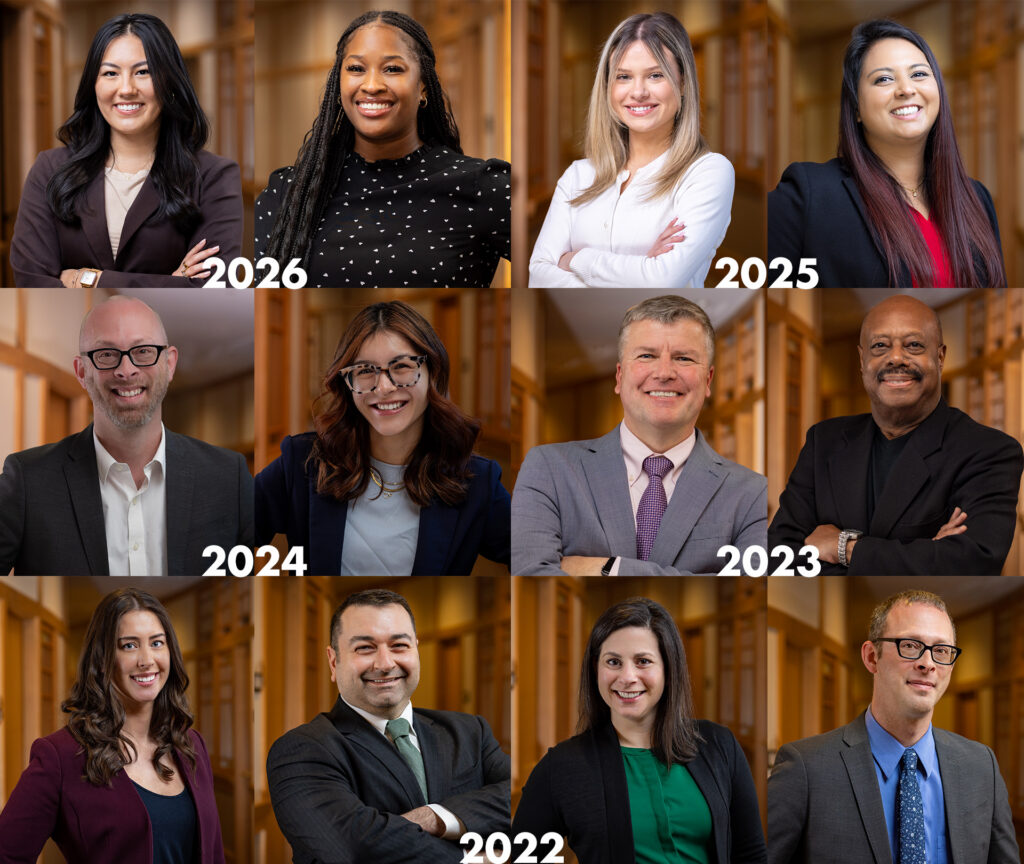
Some firms benefit from more than one background approach. Leadership portraits may use an environmental setting while staff directory headshots use a more controlled background.
A hybrid approach can work well, but it should be planned intentionally. Without clear rules, multiple background styles can make the image set feel fragmented.
Define Crop and Orientation
Crop and orientation are often overlooked, but they have a direct impact on how useful headshots are after delivery.
Headshots may need to fit website grids, proposal resume templates, LinkedIn profiles, speaker bios, internal directories, presentation layouts, square crops, vertical crops, or horizontal formats.
Before production, clarify whether the firm primarily needs vertical headshots, square crops, horizontal space for layouts, or a combination of formats. A consistent crop helps the full image set feel organized when multiple people appear together.
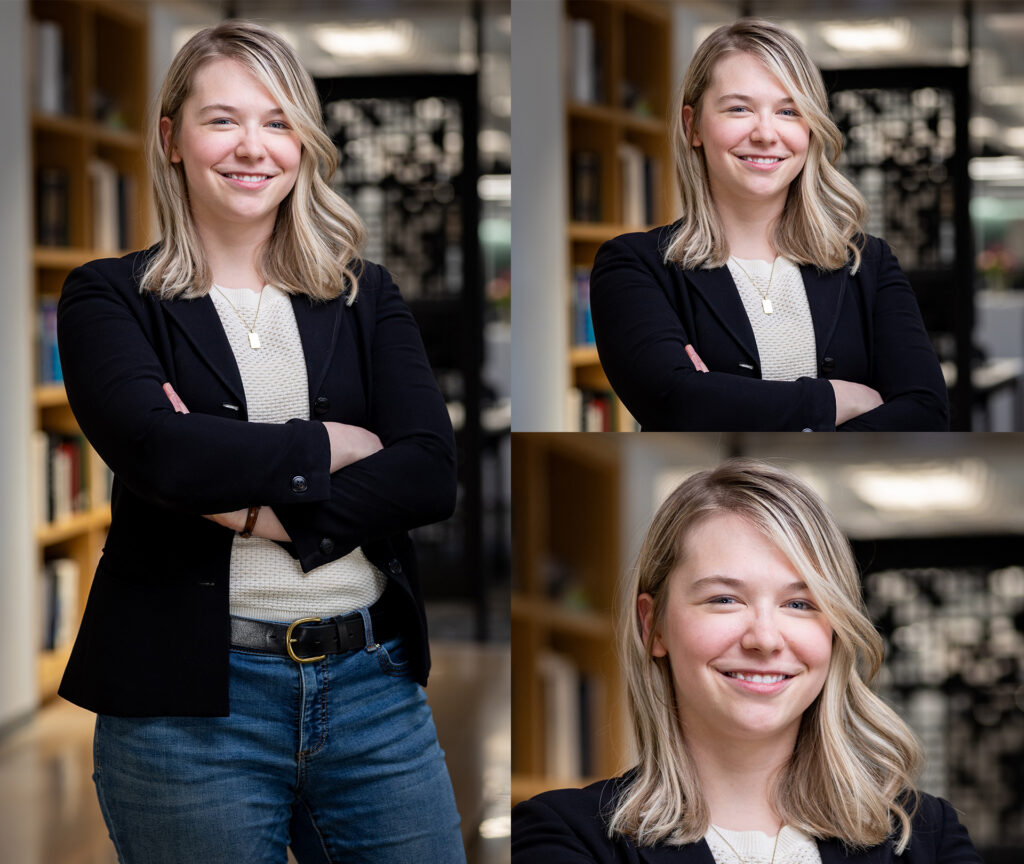
Set Wardrobe Expectations
Wardrobe does not need to be identical across the team, but it should support the firm’s overall visual standard.
A useful wardrobe standard defines the preferred level of formality, the types of colors that photograph well, and the patterns or accessories that should be avoided. This gives staff enough guidance to prepare without making everyone look the same.
The goal is consistency, not uniformity.

Define the Tone of the Portraits
Expression, posture, and retouching all shape how the firm’s people are perceived. The standard does not need to dictate one expression for everyone, but it should define the general tone the firm wants to communicate.
That tone may be calm, approachable, confident, leadership-oriented, technical, or warm but restrained. This matters most when headshots appear together across team pages, proposals, and recruiting materials.
Retouching should support the same tone. The strongest approach is usually natural and restrained: polished enough for professional use, but still accurate to the person being photographed.
Plan for Future Hires
A headshot standard should be repeatable.
If your firm is growing, hiring regularly, or operating across multiple offices, future matching should be considered before the first session. Some background and lighting approaches are easier to recreate than others.
Questions to consider include:
- Can this background be recreated later?
- Can new hires be photographed in a way that matches the current team?
- Should new staff be photographed during scheduled update sessions?
- Will the same standard work across multiple office locations?
- Does the standard still make sense if the firm grows or rebrands?
Future consistency is easier when it is planned from the beginning. The standard should also be revisited when the firm rebrands, redesigns its website, changes proposal templates, opens new offices, or finds that existing headshots no longer feel consistent.
Before Production, Define the Standard
Before scheduling a firmwide headshot session, clarify:
- Where the headshots will be used
- Who needs to approve the standard
- The preferred level of formality
- The background approach
- Crop and orientation needs
- Wardrobe expectations
- Expression and posture direction
- Retouching standard
- Future hire or update plan
Final Notes
A headshot standard gives firms a clear way to present their people across websites, proposals, recruiting materials, leadership profiles, and internal communications.
The strongest standard is not based on trend. It is based on usage, consistency, future matching, and long-term usefulness.
When background, crop, wardrobe, expression, retouching, and future updates are defined before production, the final image set becomes easier to use and easier to maintain over time.
Planning a Firmwide Headshot Standard?
If your firm is preparing for new headshots, leadership portraits, or a broader people photography update, 517 Visuals can help clarify the visual standard before production begins.
Would you like keep up with our latest work?
Follow our happenings by subscribing to our social media accounts
connect with us
